Supply chain disruptions have become a common challenge for organizations across industries. From global economic uncertainty and transportation bottlenecks to supplier failures and changing customer expectations, businesses face increasing pressure to maintain stability while navigating unpredictable conditions. Organizations that rely on rigid supply chain models often struggle to adapt when disruptions occur, leading to delays, increased costs, and reduced customer satisfaction.
Creating resilient supply chain operations requires a strategic shift from reactive problem-solving to proactive planning and continuous improvement. Resilient organizations focus on building flexibility, improving visibility, and strengthening collaboration across their supply chain networks. By doing so, they can reduce the impact of disruptions and maintain operational performance even during challenging circumstances.
Why Stability Matters in Modern Supply Chains
Operational stability is essential for maintaining customer trust and supporting business growth. Organizations that experience frequent disruptions may struggle to meet customer expectations, protect revenue streams, and maintain competitive positioning. Stability enables businesses to deliver products and services consistently while minimizing operational risks.
Achieving stability requires organizations to understand potential vulnerabilities within their supply chains. Real-time monitoring, supplier performance tracking, and risk assessments provide valuable insights that help businesses identify and address issues before they escalate. By improving visibility and responsiveness, organizations can create more stable and reliable operations.
Strong supply chain stability also supports strategic planning by enabling leaders to make informed decisions based on accurate and timely information. This capability is becoming increasingly important as supply chain complexity continues to grow.
Leveraging Technology to Enhance Resilience
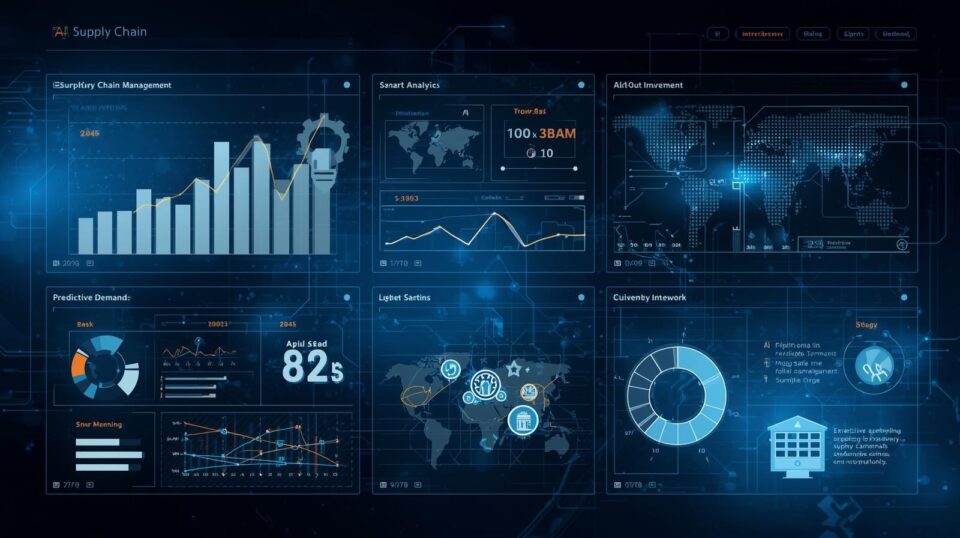
Technology plays a vital role in helping organizations build resilient supply chain operations. Advanced digital solutions provide greater visibility into supply chain activities and enable more effective decision-making. Artificial intelligence and predictive analytics help organizations forecast demand, identify risks, and optimize resource allocation.
Automation improves efficiency by reducing manual processes and increasing operational consistency. Cloud-based collaboration platforms enhance communication between suppliers, logistics providers, and internal teams, creating a more connected and responsive supply chain ecosystem. These technologies help organizations respond more effectively to disruptions while supporting long-term operational excellence.
Businesses that invest in technology-driven resilience are better equipped to adapt to changing market conditions and maintain stable operations over time.
Key Strategies for Resilient Operations
- Strengthen end-to-end supply chain visibility
- Diversify supplier and logistics networks
- Invest in predictive analytics and forecasting
- Improve supplier collaboration and communication
- Implement automation across critical processes
- Develop comprehensive business continuity plans
- Optimize inventory and resource management
- Monitor operational performance continuously
Conclusion
Creating resilient supply chain operations is essential for organizations seeking long-term stability and operational excellence. Businesses that proactively address risks and invest in visibility, technology, and collaboration can better navigate disruptions while maintaining strong performance.
As supply chain challenges continue evolving, resilience will remain a key factor in achieving sustainable growth and competitive success. Organizations that prioritize resilience today will be better prepared for the opportunities and uncertainties of tomorrow.
