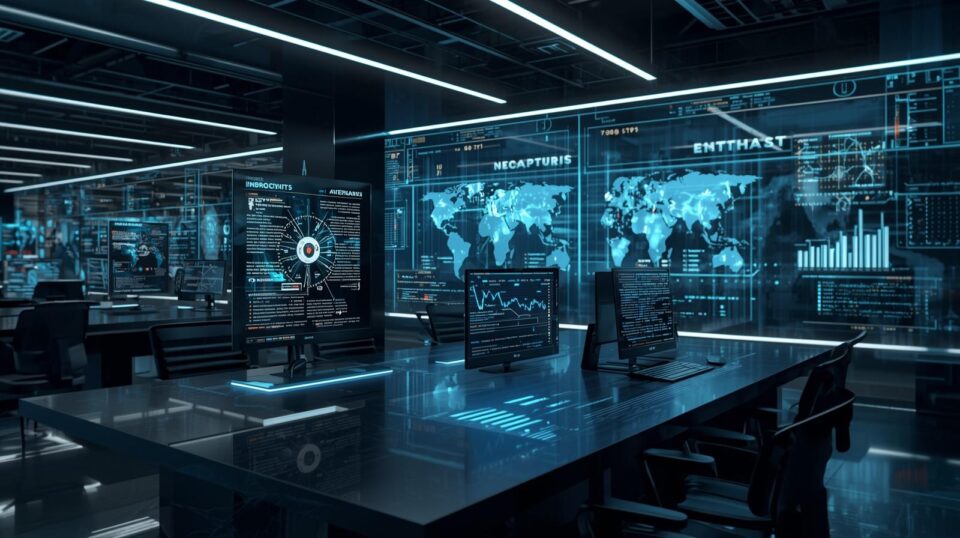
Modern workplaces are becoming increasingly digital as businesses adopt cloud technologies, AI-powered tools, remote collaboration platforms, and intelligent automation systems to improve operational efficiency. Employees today expect seamless access to business systems and information from multiple devices and locations while maintaining high productivity and collaboration.
However, as organizations become more digitally connected, cybersecurity risks continue growing rapidly. Businesses face increasing threats such as ransomware attacks, phishing campaigns, credential theft, unauthorized access, and data breaches.
Organizations now face a major challenge: how can businesses maintain productivity and collaboration without compromising security?
This is where secure productivity becomes essential.
Secure productivity focuses on creating digital work environments where employees can collaborate efficiently while maintaining strong cybersecurity, compliance, and operational resilience. Artificial intelligence is becoming one of the most important technologies helping businesses achieve this balance.
Organizations that successfully combine AI-powered productivity systems with advanced cybersecurity strategies are building smarter and more resilient digital workplaces.
Why Secure Productivity Matters
Modern organizations generate enormous amounts of operational, communication, and customer data daily.
Businesses commonly face challenges such as:
- Increasing cybersecurity threats
- Hybrid and remote workforce risks
- Data privacy and compliance concerns
- Operational inefficiencies
- Fragmented collaboration workflows
Traditional security systems often create barriers that slow employees and reduce operational flexibility.
Employees may struggle with:
- Complex login processes
- Delayed access to information
- Security-related workflow interruptions
- Manual operational tasks
Secure productivity strategies help organizations improve operational efficiency while maintaining strong protection across enterprise environments.
Businesses that prioritize secure productivity improve both workforce collaboration and cybersecurity resilience.
How AI and Cybersecurity Improve Secure Productivity
AI-Powered Threat Detection
Artificial intelligence helps organizations identify and respond to cybersecurity threats more quickly.
AI-powered systems can:
- Detect suspicious behavior patterns
- Monitor user activity
- Identify anomalies and threats
- Automate incident response
- Improve operational visibility
Real-time monitoring improves cybersecurity resilience while reducing response times during security incidents.
AI also helps businesses strengthen business continuity strategies.
Intelligent Workflow Automation
Employees often spend significant time managing repetitive operational tasks.
AI-powered automation helps organizations:
- Schedule workflows automatically
- Organize operational data
- Manage communication processes
- Generate reports and summaries
- Improve workflow coordination
Automation reduces administrative workloads and improves operational efficiency.
Employees can focus more on strategic and high-value activities.
Secure Collaboration Platforms
Modern workplaces rely heavily on digital collaboration tools.
Organizations should ensure that collaboration systems include:
- Secure file sharing
- Data encryption
- Access controls and permissions
- Threat monitoring features
- Compliance management tools
Secure collaboration environments improve teamwork while protecting sensitive business information.
Cloud-based productivity platforms also support hybrid work environments more effectively.
Identity and Access Management
Identity protection is one of the most important elements of secure productivity.
Organizations should implement:
- Multi-factor authentication (MFA)
- Single sign-on (SSO) systems
- Conditional access controls
- Identity monitoring systems
- Role-based permissions
These technologies reduce unauthorized access risks while improving employee access to enterprise systems.
Strong identity management improves both security and operational efficiency.
Endpoint and Device Protection
Employees use multiple devices to access business systems across different environments.
Organizations should implement:
- Endpoint protection platforms
- Mobile device management systems
- Secure remote access tools
- Device compliance monitoring
- Automated software and security updates
Strong endpoint security reduces risks related to malware, unauthorized access, and data breaches.
Centralized device visibility also improves operational consistency across distributed workforces.
Conclusion
Secure productivity is becoming essential for businesses operating in increasingly digital and connected environments. Organizations must balance operational efficiency with strong cybersecurity, compliance, and data protection strategies.
Businesses that successfully combine AI-powered productivity tools with advanced cybersecurity systems can improve collaboration, strengthen resilience, and support sustainable digital growth.
As workplace technologies and cyber threats continue evolving, organizations that prioritize secure productivity will be better positioned to maintain operational agility, protect sensitive information, and achieve long-term business success.
